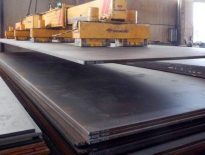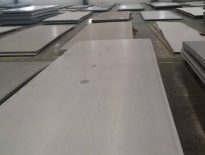

The demand for high-strength protective materials has grown across the defence and security sectors. Modern threats require materials that can stop bullets, absorb blast energy, and limit structural damage. Armor steel plates play a critical role in military vehicles, secure buildings, and protected transport systems. Their ability to resist impact and penetration makes them a core material in ballistic design. As security needs increase, ballistic steel plates are now widely used in vehicles, checkpoints, safe rooms, and industrial units. This article defines Armor steel plates, including their important qualities, common types, grades, standards and major applications. It also describes how to choose the appropriate material from a reliable armor steel plate supplier or certified armor steel plate manufacturer.
What are Armor Steel Plates?
Modern military threats demand tough, high-strength protective materials that can absorb blast energy and arrest ballistic penetration. Here, Armor Steel plates are playing a vital role with high hardness combined with controlled structural toughness to absorb high impact energy without cracking. They are specially designed heat treated plates for ballistic defense in vehicles, safe rooms and security checkpoints and not only for load bearing weight like normal structural metals. Work with an approved armor steel plate supplier to guarantee your plates will endure significant stress and adhere to the most stringent criteria for ballistic protection.
Key Properties of Armor Steel Plates
Armor steel plates are designed with a balance of hardness and toughness. Each property plays a direct role in protection performance.
- High Hardness (HB Ratings): Brinell Hardness (HB) is the unit of measuring the hardness. Armor plates commonly range from 400 to 600 HB. Its higher hardness enhances bullet resistance by reducing bullet penetration.
- Impact Resistance: Impact resistance allows the plate to absorb sudden force. During ballistic impact, energy spreads across the surface. This limits cracking and prevents full penetration.
- Tensile Strength: High tensile strength helps the plate resist pulling and tearing forces. It supports structural stability in vehicles and armored systems.
- Toughness Under Extreme Conditions: Armor plates must perform in cold and hot climates. Good toughness prevents brittle failure in low temperatures and maintains strength under stress.
- Wear and Abrasion Resistance: Many armor-grade steels also resist surface wear. This feature is useful in harsh zones where friction and debris cause damage.
- Heat-Treated Microstructure: The plates are quenched and heated. The heat treatment creates a strong internal grain structure. This increases both hardness and crack resistance.
Different Types of Armor Steel Plates
All armor steel plates are not designed equally. The function of each type is determined by the level of threat and the structural demand
Ballistic Armor Steel
Heavy metal deflects bullets and debris, protecting the patrol cars and light military vehicle cabs in the heat of battle.
Structural Steel Armor
This load-bearing plate offers robust ballistic protection for security checkpoints and fortified bunkers while supporting substantial structural weight.
Abrasion Resistant (AR) Armor Plate
These plates are made for large mining machinery. They can take repeated scraping by rocks and can readily take harsh impacts.
High Hardness Armor Steel
This ultra-dense steel has a density of over 500 HB, and might be able to stop armor-piercing projectiles, which would allow engineers to construct thinner, lighter vehicle defenses.
Dual-Hardness Armor Plates
The hard front face breaks up the bullet and the strong back layer absorbs the remaining energy to avoid shattering.
Armor Steel Grades and Standards
Armor steel plates are supplied under strict grades and standards. MIL-A-46100 covers high-hardness armor used in combat vehicles. MIL-A-12560 applies to rolled homogeneous armor for structural use. European standards such as EN 1522 and EN 1523 define ballistic resistance levels for building materials. The NIJ standard specifies protective standards for law enforcement armor systems. The hardness is often classified under a wide range between 400 and 600 HB, depending on the grade. A reliable armor steel plate manufacturer ensures compliance with these standards through certified testing and documentation.
Applications of Armor Steel Plates
Armor steel plates serve many sectors where impact and ballistic safety are critical.
- Military Vehicles and Armored Trucks: Used in combat vehicles and transport trucks. They protect personnel against bullets and blast fragments. Plate thickness varies with mission needs.
- Secure Buildings and Safe Rooms: Installed in walls and doors of secure areas. They prevent forced entry and ballistic attack. Often combined with reinforced concrete.
- Bank Vaults and ATM Enclosures: Banks use armor plates for vault walls and ATM housings. The steel prevents drilling, cutting, and shooting attacks.
- Bullet-Resistant Doors and Panels: Used in high-risk entry points. These panels stop projectiles while maintaining structural strength.
- Law Enforcement Vehicles: Police vehicles use ballistic steel plates in doors and side panels. Protection is added without excessive weight.
- Heavy-Duty Industrial Protection: Industrial plants use armor plates around sensitive equipment. They shield machinery from impact and accidental blasts.
Advantages of Using Armor Steel Plates
Armor steel plates offer clear benefits in protective design.
- Superior Ballistic Resistance: These plates are built to stop defined threat levels. Certified testing confirms performance against standard ammunition.
- Long Service Life: Heat-treated steel maintains strength over time. Proper coating also improves corrosion resistance.
- High Impact Absorption: The steel absorbs and spreads impact energy. This reduces structural failure and internal damage.
- Cost-Effective Compared to Composite Armor: Steel armor is often more affordable than advanced composite systems. It also allows easier repair and welding.
- Versatile Thickness Options: Plates are available in various thickness ranges. This supports both light and heavy protection systems.
Armor Steel vs Regular High-Strength Steel
Armor steel plates differ clearly from regular high-strength steel. The differences affect safety and performance.
- Hardness Comparison: Armor plates have much higher HB ratings. Standard high-strength steel focuses more on load capacity than bullet resistance.
- Impact Performance: Armor steel is tested for projectile impact. Regular steel may deform or crack under ballistic load.
- Testing Requirements: Ballistic steel plates undergo certified firing tests. Structural steel is tested mainly for yield and tensile strength.
- Application Differences: Armor plates are used for protection systems. Regular high-strength steel is used for beams, frames, and bridges.
Factors to Consider When Choosing Armor Steel Plates
Selecting the correct armor plate requires careful review of threat and design needs.
- Required Ballistic Protection Level: The plate must match defined threat levels under NIJ or military standards. Higher threat levels require higher hardness or thickness.
- Thickness Requirements: Thicker plates increase stopping power. However, added thickness increases weight and cost.
- Weight Limitations: Vehicle and mobile systems must manage weight. High-hardness grades can reduce thickness while still providing protection.
- Fabrication Capability: Armor steel can be difficult to cut and weld. Fabrication facilities must handle hardened steel correctly.
- Compliance Certification: Certified testing ensures performance claims are valid and material traceability is essential for defence projects.
- Working with a certified Armor steel plate manufacturer: A reputable armor steel plate manufacturer ensures proper documentation and quality control. An experienced armor steel plate supplier also helps with grade selection and supply reliability.
Conclusion
Armor steel plates provide critical protection across defence, security, and industrial sectors. Different types, including ballistic steel plates, structural grades, AR plates, and dual-hardness designs, address varied threat levels and working conditions. Hardness, toughness, and certified ballistic performance define their value. Selecting the correct grade is essential for safety and long-term service. Compliance with MIL, EN, or NIJ standards confirms reliability under real-world impact. Working with a certified armor steel plate manufacturer and a trusted armor steel plate supplier ensures tested material, full documentation, and a dependable supply. Choose certified Armor Steel Plates from trusted suppliers to ensure maximum protection and long-term durability.