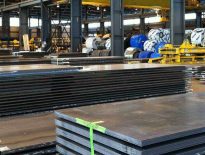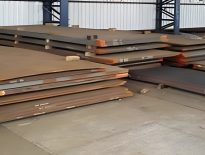

Industries need materials that can handle heavy loads, high heat, and long working hours. Mild steel often falls short when exposed to pressure, stress, or harsh environments. Cracks, wear, and early failure increase downtime and costs. Alloy steel plates address these limits by adding selected elements to steel to improve strength and performance. These plates are often used in situations where ordinary steel cannot provide consistent results. They promote safer operations, and longer service life in demanding industries. This blog describes what alloy steel plates are, how alloying elements function, key qualities, primary types, and how they differ from carbon steel. It also discusses common industrial applications and useful suggestions for selecting the right plate.
What Are Alloy Steel Plates?
Alloy steel plates are flat steel products manufactured by adding specific alloying elements into carbon steel. These elements change the internal structure of steel by improving its behaviour under stress. The elements like chromium, nickel, molybdenum, and manganese are included. Each element has a specific purpose, such as increased strength, enhanced wear resistance or greater heat stability. During manufacturing, the alloy content is continually tracked to ensure that the exact service requirements are fulfilled. Alloy steel plates outperform mild steel plates in terms of load, temperature, and impact resistance. They are used in situations where failure is not an option. Applications range from pressure equipment to heavy machinery. Their balanced qualities make them ideal for structural and high-performance applications.
How to Choose the Right Alloy Steel Plate
The correct alloy steel plate is selected to immediately increase structural safety and equipment service life. The grades selected by procurement teams must balance expected load circumstances and operating pressures with the system’s ambient heat and corrosive exposure. In addition to these operational aspects, assessing the fabrication requirements such cutting, machining, and controlled welding methods helps to ensure that the metal processes cleanly and maintains your industrial project timeframes completely on track.
Industrial Uses of Alloy Steel Plates
Alloy steel plates support safe operations across heavy industries. Their properties match complex service demands.
- Oil and Gas Industry: These plates are used in pressure vessels, storage tanks, and pipelines. They can withstand pressure, heat, and corrosive substances. Reliability is essential in this industry.
- Power Plants: Power plants use alloy steel plates in boilers and heat exchangers. Turbine components also rely on these plates. Stable performance under heat is essential.
- Mining and Cement Industry: In the mining and cement industries, alloy steel plates are commonly used in chutes, crushers and hoppers. Wear liners protect equipment against abrasion. Plates increase the service life of the equipment.
- Automotive and Heavy Machinery: In automotive, and heavy machinery, alloy steel plates are used for chassis components, and load-bearing sections. Strength and toughness can withstand enormous loads. Safety and durability are critical considerations.
- Construction and Infrastructure: In construction and infrastructure, alloy steel plates are used for bridges, and high-rise constructions. They withstand heavy loads and have a long service life. Structural stability has enhanced.
- Shipbuilding Industry: Hull structures rely on alloy steel plates for strength. Offshore platforms use them in harsh marine conditions. Resistance to stress, and corrosion matters.
Types of Alloy Steel Plates
Alloy steel plates are grouped based on alloy content and service use. Each type supports a specific range of working conditions.
- Low Alloy Steel Plates: Low alloy steel plates have a trace amount of alloying elements. They have moderate strength and good weldability. These plates are used in structural construction and pressure vessels. They maintain a balance between cost and performance.
- High Alloy Steel Plates: High alloy steel plates contain a higher percentage of alloying elements. They are used in critical, high-performance environments. These plates handle high stress, heat, and corrosion. Performance takes priority over cost.
- Heat-Resistant Alloy Steel Plates: Heat-resistant alloy steel plates are designed for high-temperature service. They are used in boilers, furnaces, and thermal plants. These plates retain strength under continuous heat exposure.
- Wear-Resistant Alloy Steel Plates: Wear-resistant plates handle abrasion and impact. They are used in mining, cement, and material handling systems. Typical uses include liners and high-wear zones.
Alloy Steel Plates vs Carbon Steel Plates
The decision between alloy steel and carbon steel is based on service requirements. Performance criteria often helps in selecting the right material.
- Strength Comparison
The primary difference is in mechanical performance. Alloy steel has higher tensile strength and yield points. This means that it can withstand significantly higher forces before bending or snapping, as opposed to carbon steel.
- Cost vs Performance
While alloy steel has a higher upfront cost, it offers better lifecycle value. As it lasts longer and breaks less often, the total cost of ownership is usually lower than buying cheaper carbon steel that needs constant replacement.
- Application Suitability
The choice usually comes down to the environment. Carbon steel is perfect for basic use like general construction or simple tools. However, alloy steel is the only viable option for demanding environments where failure is not an option.
How to Choose the Right Alloy Steel Plate
Correct plate selection improves safety and service life. Key service factors guide the choice.
- Based on Strength Requirement: Load conditions and operating pressure define strength needs. Plates must handle static and dynamic loads. Design limits guide grade selection.
- Based on Temperature and Environment: Heat exposure affects material choice. Corrosive surroundings require added protection. Alloy content should match service conditions.
- Based on Fabrication Needs: Welding, cutting, and machining needs matter. Some alloys require controlled fabrication methods. Ease of processing affects project timelines.
Benefits of Using Alloy Steel Plates in Industry
Alloy steel plates are widely used in heavy industries due to their strong and stable performance. They support long-term operations and reduce material-related failures in demanding working conditions.
- Longer Service Life: Alloy steel plates resist wear, heat, and pressure more effectively than carbon steel. This reduces surface damage and structural failure over time. Equipment and structures last longer, even under continuous use. Fewer replacements are needed across the service period.
- Reduced Maintenance Cost: High resistance to abrasion and deformation lowers the rate of breakdowns. Maintenance intervals become longer and more predictable. This reduces repair frequency and limits unplanned shutdowns. Overall upkeep costs remain controlled.
- Improved operational safety: Alloy steel plates maintain strength under high loads and temperatures. This reduces the risk of cracks, leaks, or unexpected failure. Stable performance promotes safe working conditions in crucial operations.
- Better ROI for Industrial Buyers: Despite higher initial material costs, long-term value remains robust. Extended service life, and lower maintenance costs offset the purchase price. This provides a higher return on investment over the whole operating cycle.
Conclusion
Alloy steel plates support modern industries where strength, heat resistance, and durability are required. They overcome the limits of mild and carbon steel in demanding conditions. Careful alloy selection improves service life and safety. From power plants to mining and construction, these plates are essential. Proper grade selection ensures consistency in performance and cost control. Connect with a trusted Steel plates supplier today to discuss application-specific requirements for durable alloy steel plates.