The demand for high-performance materials is increasing in the aerospace, medical, and chemical processing industries. Engineers are increasingly depending on titanium to meet stringent safety and efficiency requirements. However, the success of a project often depends on selecting the right Titanium Plate Grades to ensure long-term endurance and structural integrity. Using the incorrect grade can result in premature failure or high costs. This blog discusses various titanium plate grades, such as their features, key differences, and common applications. It also covers the requirements and guidelines for selecting a reputable titanium plate manufacturer or supplier for crucial projects.
What Is a Titanium Plate?
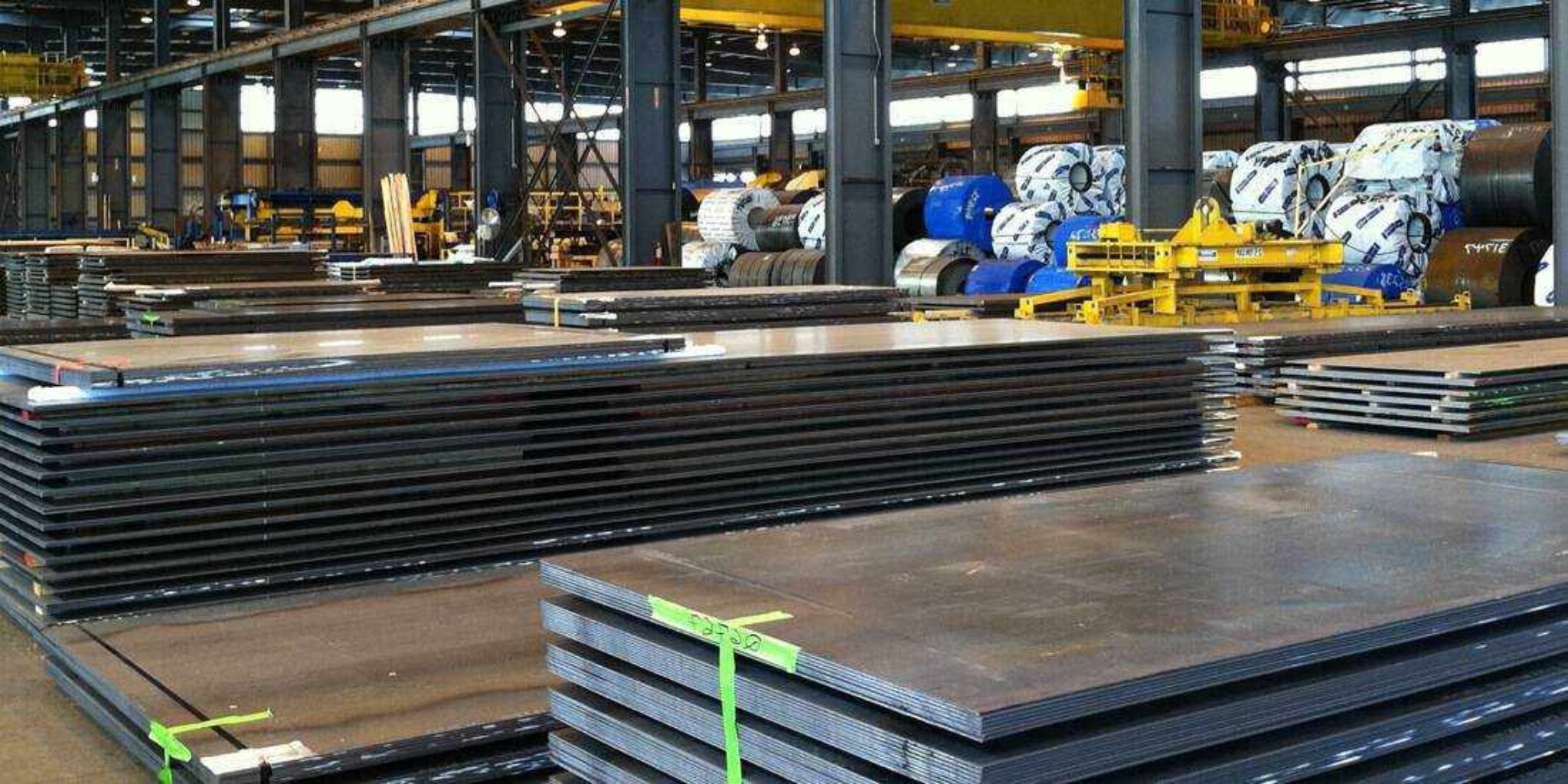
Titanium Plate is a flat-rolled product that consists of titanium metal or titanium alloys. It is manufactured in specified thicknesses and provided annealed or heat-treated. Titanium provides a high strength-to-weight ratio, which makes it lighter than steel at the same strength levels. It is also highly resistant to corrosion in seawater, acids, and chlorides, and the key property is biocompatibility, which enables safe application in medical implants. Titanium weighs less than stainless steel and nickel alloys and can endure longer in severe conditions. While nickel alloys can withstand higher temperatures in certain situations, titanium maintains a unique balance between strength, weight, and corrosion resistance.
Overview of Main Titanium Plate Grades
Different titanium plate grades are intended to meet specific strength and corrosion requirements. Some are commercially pure, while others contain alloying elements for added strength.
Grade 1 (Commercially Pure Titanium)
Grade 1 titanium is the softest and most ductile type of commercially pure titanium. It provides exceptional corrosion resistance, particularly in chemical and marine environments. Its great formability enables easy shaping and welding. This grade is common in chemical processing equipment where corrosion control is more important than high strength.
Grade 2
Grade 2 is the most popular commercially pure titanium grade. It offers a good combination of strength and corrosion resistance. This grade offers better strength than Grade 1, as ductility remains good. It is used in industrial equipment, marine components and heat exchangers that are exposed to seawater.
Grade 5 (Ti-6Al-4V)
Grade 5 is an alpha-beta alloy containing aluminium and vanadium. It delivers very high strength compared to pure grades. Despite its strength, the weight remains low. This grade is widely used in aerospace structures, turbine parts, and medical implants due to its strong mechanical performance.
Grade 7
Grade 7 is similar to Grade 2 but includes a small amount of palladium. This addition improves corrosion resistance, especially in reducing acidic environments. It is often selected for chemical industry equipment exposed to aggressive media.
Mechanical Properties Comparison
Mechanical properties vary across titanium plate grades. Commercially pure grades focus on corrosion resistance and formability. Alloy grades focus on strength and structural performance. The table below presents typical values.
| Grade | Tensile Strength (MPa) | Yield Strength (MPa) | Density (g/cm³) | Elongation (%) | Corrosion Resistance | Weldability |
| Grade 1 | ~240 | ~170 | 4.51 | 24 | Excellent | Excellent |
| Grade 2 | ~345 | ~275 | 4.51 | 20 | Excellent | Very Good |
| Grade 5 | ~895 | ~828 | 4.43 | 10–14 | Very Good | Moderate |
| Grade 7 | ~345 | ~275 | 4.51 | 20 | Superior in acids | Very Good |
Values are typical and may vary by standard and processing condition.
Key Differences Between Commercially Pure and Alloy Grades
Commercially pure grades and alloy grades meet different requirements. The decision is based on the strength of demand and the service environment.
- Strength differences: Grade 5 alloys offer much higher yield and tensile strengths, which provide better ductility, but moderate strength is offered by pure grades. Alloy grades are often used for structural components.
- Formability: Grades 1 and 2 are easier to form and weld. They handle bending and shaping with a lower risk of cracking. Alloy grades are stronger but less formable.
- Corrosion resistance: Pure grades show excellent resistance in seawater and mild acids. Grade 7 improves acid resistance due to palladium. Alloy grades resist corrosion well but may not match Grade 7 in harsh acids.
- Cost comparison: Alloy grades cost more due to added elements and processing. Pure grades are usually more cost-effective for general corrosion service.
- Application suitability: Pure grades suit tanks, piping, and heat exchangers. Alloy grades suit aerospace parts, high-stress fasteners, and load-bearing frames.
Applications of Titanium Plate Grades
Each grade of Titanium Plate supports different industries. Selection depends on stress level, temperature, and exposure conditions.
- Aerospace structural components: Grade 5 is common in aircraft frames, landing gear parts, and engine components. Its high strength reduces weight without losing structural safety.
- Heat exchangers: Grade 2 plates are widely used in shell and tube exchangers. They resist seawater corrosion and maintain a long service life.
- Marine components: Commercially pure grades perform well in shipbuilding and offshore systems. Resistance to saltwater makes them reliable.
- Medical implants: Grade 5 and some pure grades are used in bone plates and implants. Biocompatibility supports safe contact with body tissues.
- Chemical processing equipment: Grade 1, Grade 2, and Grade 7 are selected for reactors and storage tanks. They resist acids and chlorides.
- Power generation: Titanium plates are used in condensers and cooling systems. Corrosion resistance reduces shutdown time and maintenance needs.
Advantages of Using Titanium Plates
Titanium plates offer a mix of performance and durability that few metals match.
- Lightweight yet strong: Titanium weighs about 45% less than steel. At the same time, it can match or exceed steel strength in alloy form.
- Exceptional corrosion resistance: A stable oxide layer protects the surface. This layer prevents rapid attack in seawater and many chemicals.
- Long service life: Equipment made from titanium often lasts decades. Replacement cycles become longer.
- High-temperature performance: Alloy grades retain strength at elevated temperatures. This suits aerospace and power systems.
- Low maintenance cost: Strong corrosion resistance reduces repair and inspection frequency. Over time, the total cost remains controlled.
Standards and Specifications
Titanium Plate products are supplied with stringent quality and traceability standards. ASTM B265 specifies titanium and titanium alloy strip, sheet, and plate for general applications. ASME SB265 is closely aligned with ASTM for pressure vessel applications. Aerospace industries adhere to AMS norms, which include higher chemical and mechanical restrictions, as certification is critical in regulated industries. Mill test reports confirm chemical composition, mechanical values, and heat treatment conditions. Traceability ensures that each plate is connected to the production batch and its compliance with these standards to improve safety, performance and acceptance in international markets.
How to Choose the Right Titanium Plate Manufacturer
Selecting a qualified Titanium Plate manufacturer requires careful review. Grade availability should match project needs, including pure and alloy options. A reputable manufacturer uses stringent quality control processes such as ultrasonic testing, chemical analysis, and mechanical testing. When normal plates do not fit the design drawings, custom sizing is required. Export support and correct documentation can help you meet ASTM, ASME, or AMS requirements. Working with an experienced Titanium Plate supplier ensures prompt delivery and material traceability. Strong supply networks reduce delays while ensuring consistent quality across batches.
Conclusion
Understanding titanium plate grades helps in selecting the appropriate material for demanding tasks. Commercially pure grades have high corrosion resistance and good formability. Alloy grades provide significant strength for structural applications. Each grade supports specific industries, from aerospace to chemical processing. Correct grade selection improves durability, safety, and cost control over time. Titanium plates offer long service life, low weight, and dependable performance in harsh conditions. For critical applications, choose certified titanium plates from trusted manufacturers to ensure strength, reliability, and long-term performance.