Blog

Stainless Steel Plates: A Guide to Grades & Selection
Stainless Steel Plates: A Guide to Grades & Selection

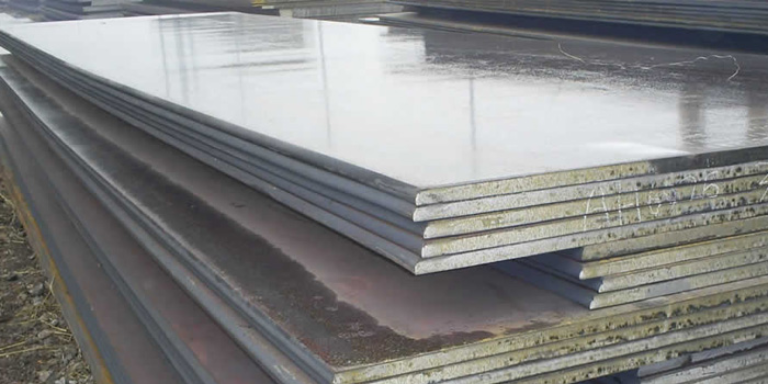
A stainless steel plate is a flat-rolled steel product with chromium in it, giving corrosion resistance that ordinary carbon steel doesn’t have. These plates come in different grades, thicknesses, finishes and manufacturing conditions, each suited to a different job. Picking the right one means weighing grade, thickness, finish, manufacturing method, corrosion environment, application, standards and … Read more
Structural Steel Plates in High-Rise Building Construction

Structural Steel Plates

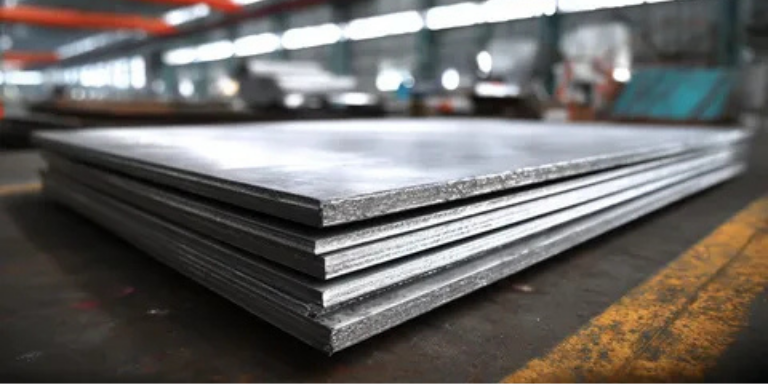
Cities keep building upward. Every added floor multiplies the load a structure must carry, and steel plates absorb that load without adding excess weight. This is why engineers turn to them for columns, beams, and connection points across modern skylines. Construction steel plates give a building the stiffness to resist wind sway and the strength … Read more

High Manganese Steel Plates for Defense Applications

High Manganese Steel Plates

Defense manufacturers keep pushing wear components past their limits, and rough field conditions wear out standard steel fast. Manganese steel handles this differently. The surface hardens under repeated impact while the core remains tough enough to absorb shock without cracking. Procurement teams and design engineers turn to durable High Manganese Steel Plates when a component … Read more

How Are Mild Steel Plates Used Across Different Industries?

Mild Steel Plates

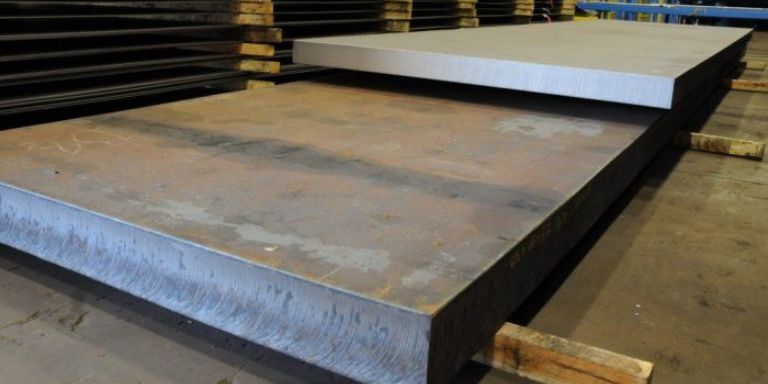
Mild Steel Plates get used in construction, shipbuilding, pipelines, plant equipment, basically anywhere something needs to hold weight without increasing cost. The carbon content is low, somewhere between 0.05% and 0.25%, and that’s what gives the steel its balance. It holds up under load but bends and welds without cracking on you. Fabricators like it … Read more

Why EN24 Plates Are Widely Used in the Automotive Manufacturing Industry

EN24 Plates

EN24 Plates prevent automotive drivetrain component failures and costly recalls caused by extreme cyclic loads. It costs a recall. Automotive manufacturing runs on materials that hold up under repeated stress without losing dimensional accuracy, and that demand keeps pushing engineers toward alloy steels built for exactly that job. Demand for high-strength engineering materials has grown … Read more

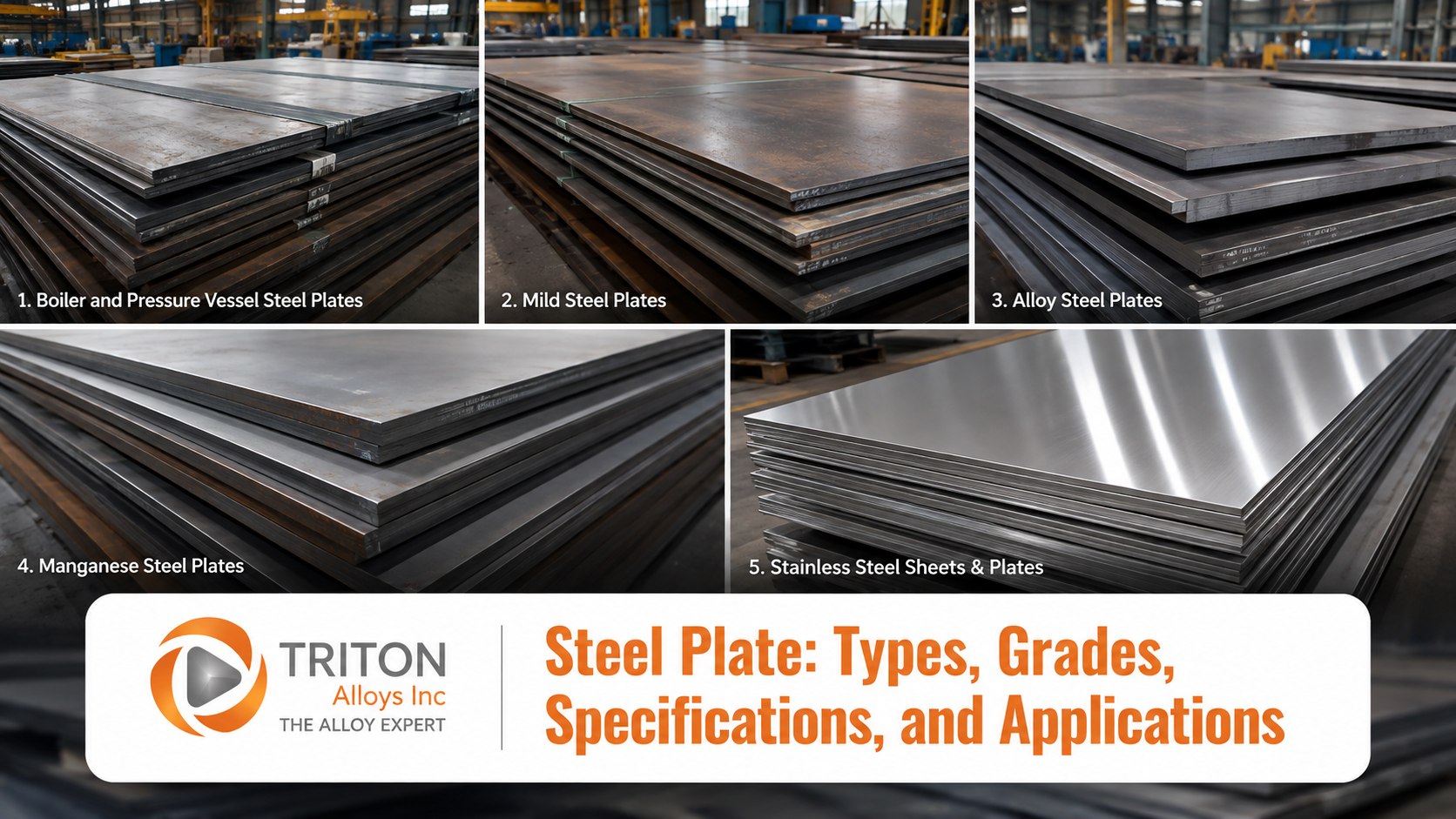
Steel Plate: Types, Grades, Specifications, and Applications

Boiler & Pressure Vessel, Mild Steel, Alloy Steel, Manganese Steel, and Stainless Steel Sheets & Plates for Industrial Applications.

Construction sites, shipyards, pressure vessel shops, and mining operations depend on steel plate. The material carries load, holds pressure, or fights corrosion, depending on the grade and thickness required by the project. If specifications are incorrect, failure shows up later, as a cracked weld or a failed inspection. Strength, corrosion resistance, weldability, and the governing … Read more

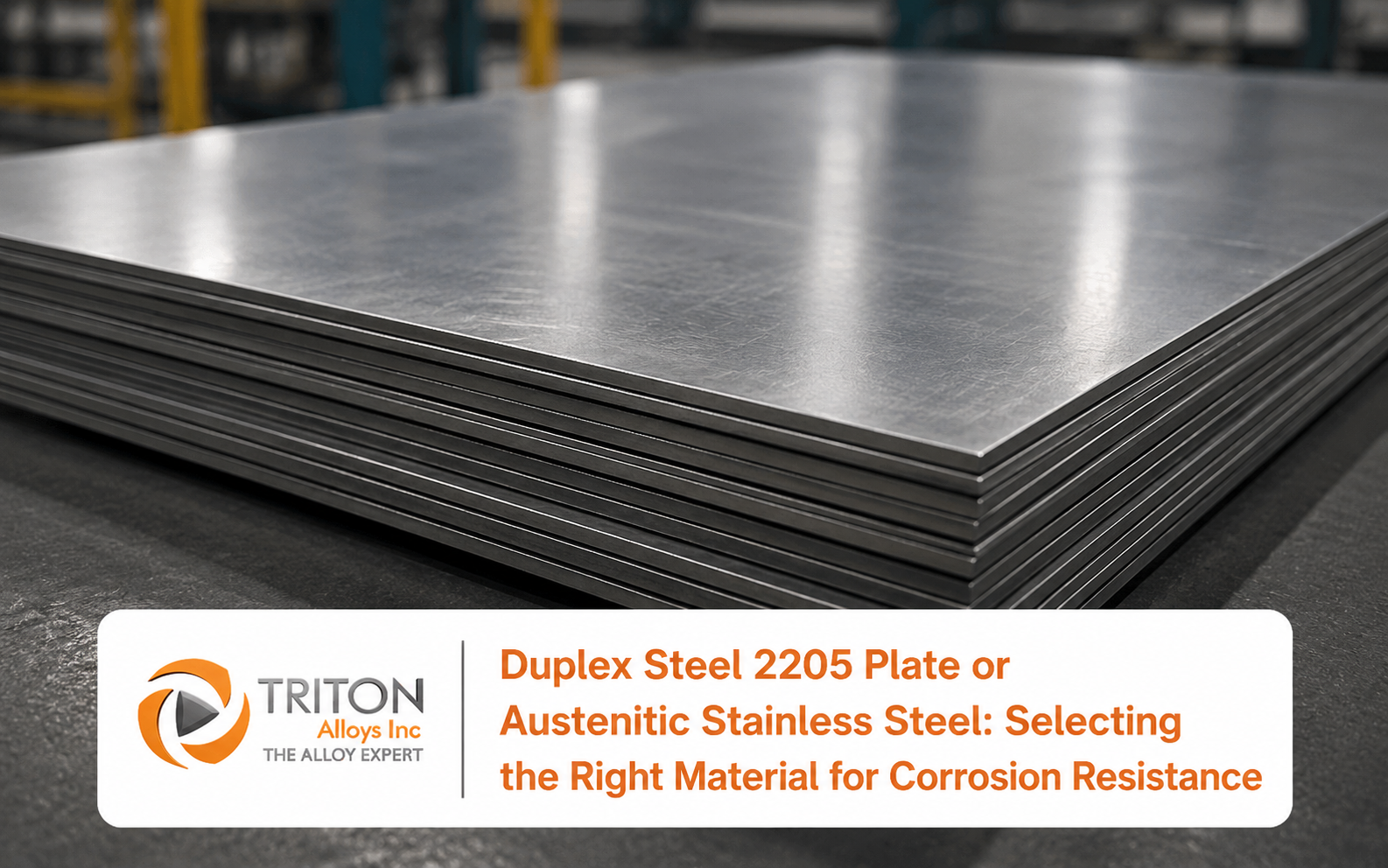
Duplex Steel 2205 Plate or Austenitic Stainless Steel: Selecting the Right Material for Corrosion Resistance

Duplex Steel 2205 plates stacked with a smooth industrial finish.

Material selection is one of the most critical decisions when designing equipment, as corrosion failure in an industrial setting is believed to be responsible for 25–30% of all preventable damage to equipment. When creating a selection of high-performing plate grades, the decision often can be made between Duplex Steel 2205 Plate and austenitic stainless steel. … Read more

MS Plate Buying Guide: Thickness, Size & Tolerance Explained

MS Plate

Mild Steel (MS) plates are basic structural materials but are often mis-specified in industrial procurement. The wrong thickness, size or tolerance is not only costlier but also adversely damages weld quality, load bearing capability and safety of the structure. Selecting the correct materials is crucial to make sure that the final assemblies meet exactly the … Read more

Why EPC Engineers Prefer Alloy Steel Plates for Critical Infrastructure

Alloy Steel Plates

The global construction and energy sectors are growing rapidly. As projects get larger and more complex, the demand for materials that can actually handle the pressure is rising. In critical infrastructure, using the wrong material isn’t just a minor mistake; it can lead to massive structural failures, expensive repairs, or safety hazards. This is why … Read more