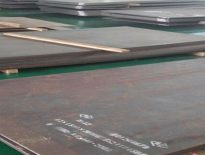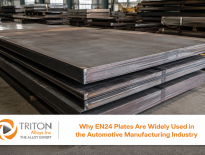

Mild Steel Plates get used in construction, shipbuilding, pipelines, plant equipment, basically anywhere something needs to hold weight without increasing cost. The carbon content is low, somewhere between 0.05% and 0.25%, and that’s what gives the steel its balance. It holds up under load but bends and welds without cracking on you. Fabricators like it because it’s easy to cut and machine. These plates are supplied to refineries, railways, power plants and construction firms who need that mix of strength and price without paying alloy rates.
What Are Mild Steel Plates?
Mild Steel Plates are flat rolled steel, made with under 0.3% carbon, plus small amounts of manganese and silicon added in for strength. Thickness ranges from 3mm right up to 200mm, and widths go up to 3 metres depending on what’s ordered. Common grades are IS 2062, ASTM A36 and EN S275. Each one carries a different load rating, so the grade matters more than people think when specifying a job.
This is why it is specified so often. It handles structural loads without failure and welds easily with standard MIG or arc equipment. No special preparation is required. It also machines well with regular shop tools without causing excessive wear. In addition, it costs less than alloy or stainless steel plate of similar thickness. Overall, it is a dependable and cost-effective material for many projects.
Why Mild Steel Plates Are Widely Used in Industrial Applications
Cost is a major factor for this grade getting specified by engineers. A plate rated at 400 MPa tensile strength costs a fraction of what an alloy or stainless plate of the same rating would run. Cutting and welding don’t need anything special either, standard oxy-fuel torches, plasma cutters, MIG welders, all of it works fine. That keeps labour time down on-site. Triton Alloys can match the plate spec to the job without sending it off for custom milling.
Applications of Mild Steel Plates Across Different Industries
Construction and Infrastructure
Used for structural frameworks, building supports, and reinforcement on bridges and commercial builds.
Manufacturing and Industrial Equipment
Machine frames, production equipment bases, fabrication components, this is where they are widely specified.
Automotive Industry
Vehicle chassis, body panels, and heavy transport equipment get built from these plates too.
Shipbuilding and Marine Structures
Hull sections, marine support structures, port infrastructure. Shipyards weld a lot of these Mild Steel plates.
Oil, Gas, and Energy Sector
Storage tanks, pipeline supports, equipment platforms, mostly for energy sector builds.
Agricultural Equipment
Farm machinery, grain storage, general fabrication work on the agricultural side.
Heavy Engineering and Fabrication
Industrial machinery, pressure support structures, welded assemblies for heavier jobs.
Factors That Make Mild Steel Plates Suitable for Multiple Industries
Mechanical Strength
Handles structural loads and impact without deforming under normal use.
Fabrication Flexibility
Cuts, bends, machines and welds fine with standard shop tools.
Cost Efficiency
Cheaper than most alloy steels, which keeps project budgets down.
Versatility
Works for custom fabrication across a lot of different industrial jobs.
How to Choose the Right Mild Steel Plates for Industrial Applications
Plate Thickness Requirements
Pick the thickness based on the load and impact resistance needed.
Application Environment
Indoor, outdoor, or corrosive conditions decide if extra coating is needed.
Mechanical Property Requirements
Match strength and toughness to the grade before placing the order.
Industry Standards and Specifications
Check the plate meets the standard specified, IS 2062 or ASTM A36 for instance.
Best Practices for Using Mild Steel Plates in Industrial Projects
Proper Material Selection
Match thickness and grade to what the job actually needs.
Quality Fabrication Techniques
Careful cutting and welding avoid stress points that weaken the structure later.
Surface Protection and Maintenance
Coat it where corrosion’s a risk, and check it periodically.
Common Challenges When Using Mild Steel Plates
Corrosion is the main challenge. Leaving it unprotected in a damp or salty environment can lead to rust formation. Picking the wrong grade for a high load job causes fatigue or cracking down the line. Poor fabrication, sloppy welds, and wrong heat input weaken the joints too. Regular inspection and reapplying coatings when needed catch most of this before it becomes a real problem.
Conclusion
Mild Steel Plates are used in construction, shipbuilding, vehicles, refineries, mostly in applications that need structural building. Strength, weldability and cost are the reasons it keeps getting specified across these sectors. Getting the thickness and grade right matters for how long the structure lasts before it needs work done on it. Triton Alloys supplies plates suited to whatever conditions the project involves.