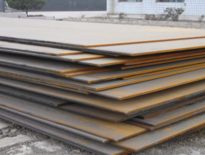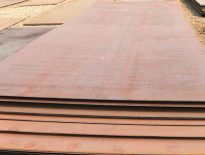

SAILMA 550 HI plates are high-strength steel plates made for heavy loads and tough working conditions. These plates are used where safety, strength, and long service life matter. They are produced by SAIL, the Steel Authority of India Limited, and are known for their high yield strength and strong impact resistance. Compared to regular structural steels, SAILMA 550 HI plates are used for lighter designs without losing strength. This helps to reduce the weight and material used in large constructions. In this blog, we will guide you with what is SAILMA 550 HI steel, its standards, and its key properties. This blog will also cover its mechanical and chemical composition, and where it is used.
What Is SAILMA 550 HI Steel?
SAILMA 550 HI is a High-Strength Low-Alloy (HSLA) steel known as SAIL Micro-Alloyed. The “550” in it refers to its minimum yield strength of 550 MPa, which is much higher than standard mild steel. The “HI” suffix denotes “High Impact” toughness, which means that the steel can absorb energy, and resist shattering even in below-zero temperatures. SAIL develops a strong, and easy-to-weld metal by adding tiny amounts of alloying elements. This makes it a better alternative than traditional steels for heavy-duty applications where safety and longevity are essential.
Standards and Specifications of SAILMA 550 HI Plates
Applicable Standards
SAILMA 550 HI plates follow well-defined standards for structural safety and quality. These standards ensure uniform strength, toughness, and weld performance.
IS 2062, with reference to the E550 grade, sets the base rules for chemical and mechanical limits. SAIL also uses its internal specifications for the SAILMA series to meet higher impact needs. Together, these rules ensure the plates meet structural steel requirements for bridges, heavy equipment, and large frameworks.
Chemical Composition of SAILMA 550 HI Plates
The chemical makeup of SAILMA 550 HI plates is carefully controlled to balance strength and toughness. Carbon content stays low to keep weldability high and reduce cracking risk. Manganese and silicon improve strength and help during rolling. Micro-alloying elements like niobium, vanadium, and titanium refine the grain size. This grain control raises yield strength and improves impact toughness, even at low temperatures.
Chemical Composition Table
| Element | Weight % (Approx) |
| Carbon (C) | 0.20 max |
| Manganese (Mn) | 1.65 max |
| Silicon (Si) | 0.45 max |
| Niobium + Vanadium + Titanium | 0.15 max |
| Phosphorus (P) | 0.040 max |
| Sulfur (S) | 0.040 max |
Mechanical Properties of SAILMA 550 HI Plates
The mechanical performance defines why these plates are used in high-load designs.
SAILMA 550 HI mechanical qualities include a minimum yield strength of 550 MPa, which can withstand high stresses. Tensile strength usually varies between 670, and 760 MPa to provide an adequate load margin. Elongation remains adequate for forming and fabrication. Impact tests show strong values at sub-zero temperatures, proving reliability in cold regions.
Mechanical Properties Table
| Property | Value |
| Yield Strength | 550 MPa (Min) |
| Tensile Strength | 610 – 770 MPa |
| Elongation (A5) | 16% – 18% (Min) |
| Impact Test (Charpy V-notch) | Min 27J at -20°C / -40°C |
Manufacturing Process and Heat Treatment
To obtain such high performance, the steel goes through Thermo-Mechanically Controlled Processing (TMCP). This is more than just conventional heating; it also includes precise temperature control during the rolling process to manage the metal’s grain size. Controlled rolling process helps the steel to stay tough, while maintaining a high strength profile. This process results in a very fine-grained structure, which is the primary reason the steel stays weldable. You get the benefit of a strong material that doesn’t require complex pre-heating or post-weld treatments in many cases.
Sizes and Dimensions of SAILMA 550 HI Plates
Steel suppliers offer these plates in a wide variety of dimensions to suit different engineering needs. Thicknesses usually vary from 6 mm to 80 mm, while bigger plates can be specified for particular applications.
Standard widths usually go up to 2500 mm or 3000 mm, with lengths stretching to 12 meters. Many service centers also provide custom-cut plates using CNC oxy-fuel or plasma cutting. The plates are delivered with tight tolerances for flatness and edge finish to make sure they fit perfectly into your assembly.
Key Properties of SAILMA 550 HI Steel Plates
SAILMA 550 HI steel plates is defined by its capacity to withstand severe stress while remaining suitable for large-scale manufacturing. The particular chemical composition ensures it will work consistently in circumstances, where standard steel may fail.
Very High Yield Strength: With a minimum yield strength of 550 MPa, these plates can withstand significantly more loads than conventional mild steel. This high threshold prevents the material from breaking or bending under high strain, which makes it suitable for use in support pillars and heavy frames.
Excellent Impact Toughness: The “HI” rating means the steel is exceptionally tough and resists cracking, even when hit with sudden force. It maintains its durability even at sub-zero temperatures, which is an important safety factor for equipment used at freezing locations.
Good Weldability Despite High Strength: While high-strength steels are often difficult to join, SAILMA 550 HI uses a low-carbon, micro-alloyed design to stay weldable. It allows for strong, clean joints using standard techniques, reducing the need for expensive and time-consuming heat treatments during assembly.
Applications and Uses of SAILMA 550 HI Plates
SAILMA 550 HI applications cover sectors where failure is not an option. These plates support heavy loads, dynamic forces, and harsh environments.
Infrastructure and Construction
These plates are used in infrastructure projects, like bridges, flyovers, and buildings. High-rise structures use them for columns and beams where weight distribution is crucial. High-load components benefit from superior yield strength and durability.
Mining and Earthmoving Equipment
Mining equipment requires steel that can withstand impact and abrasion. SAILMA 550 HI plates are used for dump truck bodies and excavators. These plates handle repeated shocks well. Their strength reduces cracking and downtime.
Defense and Strategic Applications
Defense structures rely on high-strength steel for safety. These plates are used in armored vehicles for non-ballistic parts. Structural defense components gain rigidity and shock resistance. The high impact rating supports harsh operating conditions.
Power, Oil & Gas Industries
Power plants and oil facilities need strong structural steel. These plates support pipe racks and heavy platforms. Structural supports face constant loads and vibration. SAILMA 550 HI steel handles this stress with ease.
Superior Fatigue Resistance: This steel is designed to handle constant cycles of tension and relaxation without wearing out. This resistance to metal fatigue is vital for structures like bridges and cranes that face moving loads every day, ensuring a much longer service life for the project.
Weight Reduction in Structural Design: The high strength allows engineers to use thinner plates without sacrificing safety. Using less metal makes the overall structure lighter, which significantly cuts down on transportation costs, foundation requirements, and total material expenses.
SAILMA 550 HI Plates vs Other High-Strength Steels
SAILMA 550 HI vs IS 2062 E550
While both grades share a similar yield strength, the “HI” version of SAILMA offers much better impact toughness. Standard E550 might meet the strength requirements, but it may not perform as well in cold climates. SAILMA 550 HI provides that extra layer of safety for structures exposed to the elements.
SAILMA 550 HI vs S355JR / ASTM A572
SAILMA 550 HI is significantly stronger than standard steels, such as S355JR and A572 Grade 50. As it is tougher, one can use thinner plates to accomplish the same task. Switching to 550 MPa steel can reduce the structure’s weight by 20% to 30% which results in saving a lot of money on materials, and shipping.
Advantages of Using SAILMA 550 HI Plates
Choosing SAILMA 550 HI Plates provides key benefits for engineers seeking to optimize both performance and cost. These benefits come from the steels superior chemical composition, which enables better, safer and more durable construction.
High Strength-to-Weight Ratio: This steel has a massive load-bearing capacity without the bulk of standard materials. A stronger grade provides the same structural integrity with less mass, making it ideal for mobile machines and broad spans.
Enhanced Safety due to High Impact Toughness: The “HI” properties ensure the steel can absorb sudden shocks and energy without snapping, even in freezing weather. This high level of toughness acts as a safety net, preventing catastrophic failures in bridges or heavy equipment during unexpected stress.
Reduced Structural Thickness: The high yield strength enables the use of thinner plates to meet design specifications. This reduction in thickness makes the plates easier to handle, faster to cut, and requires substantially less welding filler material during assembly.
Longer Service Life: Due to their better fatigue resistance and durability, buildings are constructed with these plates to endure much longer under strong loads. The material resists wear and tear from repeated loading cycles, resulting in less repairs and downtime over time.
Cost Efficiency in Heavy-Load Projects: While the per-ton price may be higher than mild steel, the overall project cost drops because you buy less total steel. Lower weight also translates to cheaper shipping and simpler foundation requirements, providing a better return on investment for large-scale builds.
How to Choose the Right SAILMA 550 HI Plate
Choosing the right SAILMA 550 HI plate ensures safe performance and long service life. A few basic checks help match the plate to your working conditions and design needs.
Load and stress requirements: Start by reviewing the expected loads and stress levels in the structure. Check both static and dynamic forces. The plate must handle peak loads without permanent deformation or cracking.
Thickness optimisation: Based on the requirement, select the thickness according to the strength requirements, rather than the standard procedure. Thinner parts are often possible when the strength is high. While maintaining safety margins, choosing the right thickness can help in reducing the weight.
Environmental and temperature conditions: Consider where the plate will operate. Low temperatures, moisture, or outdoor exposure affect performance. SAILMA 550 HI plates with high impact toughness work well in cold and harsh environments.
Fabrication and welding needs: Review cutting, bending, and welding methods before selection. The plate should suit the available welding processes. Proper welding practices help maintain strength and avoid heat-related defects.
SAILMA 550 HI Plates provide the perfect combination of high strength and extreme toughness. From gigantic bridges to large mining trucks, these plates provide the structural stability required in demanding environments. Understanding the SAILMA 550 HI specifications and their distinct features can help you make better decisions for the next manufacturing project. If the project requires strong load performance, this steel grade should be considered. Contact a reputable source to find the best plate for your needs.