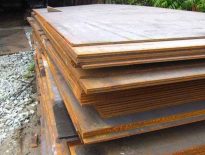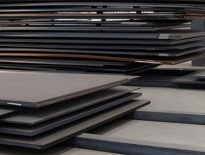

Corten steel, also called weathering steel, has a look that people remember. It starts out like any other steel plate, clean and grey, then slowly turns into a deep, earthy brown as it sits outside. There is a reason behind this colour change. A tight rust layer forms on the surface and shields the metal under it. Because of this, Corten steel plates last for years with no paint and very little care. Architects like the raw look. Engineers like the strength and the long life. Across heavy industry, it solves problems that normal carbon steel keeps creating.
At Triton Plates, we supply Corten steel plates that work in real conditions, not just on paper. From power plants to offshore projects, buyers come to us because they need steel that holds up when rain, air, and time keep pushing against it.
What Is Corten Steel?
The word COR-TEN comes from two ideas joined together. One is corrosion resistance. The other is tensile strength. Corten steel was made to deal with open air and rough weather. When it is first exposed to rain and oxygen, the surface reacts and forms an oxide layer. That layer looks like rust, yet it sticks tightly to the steel and seals it. Over time, it slows down any deeper corrosion.
With normal carbon steel, rust keeps attacking inside. With weathering steel plates, the rust stops itself. That difference changes everything. Bridges, building fronts, and rail wagons stay strong for decades without being painted again and again. That saves money and time, which matters on large projects.
Corten Steel Plate Specifications
Applicable Standards
Corten steel plates are made under several recognised standards. ASTM A588 and ASTM A242 are the most common American ones. In Europe, EN 10025-5 covers grades such as S355J0W and S355J2W. In India, IS 11587 is the matching standard. These rules control chemistry, strength, and how the plates are tested before they leave the mill.
Corten Steel Grades
Two grades show up most often. Corten A has more phosphorus and is used in architecture and exposed designs. It forms a richer surface colour. Corten B is made for strength. You find it in bridges, frames, and large outdoor structures where loads are high.
Chemical Composition of Corten Steel Plates
The special behaviour of weathering steel plates comes from alloying elements mixed into the base steel. Copper sits at the centre of this. It improves resistance to air and moisture. Chromium helps form a dense oxide layer. Nickel adds toughness, especially in cold conditions. Phosphorus tightens the grain and improves the surface patina.
A simple view of the chemistry looks like this:
| Element | Typical Range |
| Carbon | up to 0.16% |
| Manganese | 0.20-1.20% |
| Copper | 0.25-0.55% |
| Chromium | 0.40-0.65% |
| Nickel | up to 0.65% |
| Phosphorus | 0.07-0.15% |
These values shift a little by standard, though the idea stays the same. Each element plays its part in stopping the steel from breaking down.
Mechanical Properties
Corten steel plates are not just about looks. They are strong. ASTM A588 Corten steel plates usually show a yield strength around 345 MPa, with tensile strength near 485 MPa. Elongation stays around 18 to 21%, so the steel can bend without cracking. Impact toughness remains high even at low temperatures, which helps in bridges and transport equipment.
| Property | Typical Value |
| Yield Strength | 345 MPa |
| Tensile Strength | 485 – 630 MPa |
| Elongation | 18% min |
| Impact Toughness | As per the standard |
Sizes and Dimensions of Corten Steel Plates
Corten steel plate sizes are wide enough to suit most projects. Thickness normally runs from about 2 mm for cladding up to 100 mm for heavy structural parts. Widths of 1000 mm, 1250 mm, 1500 mm and 2000 mm are common. Lengths often go from 2000 mm up to 12000 mm.
At Triton Plates, we also supply custom-cut plates. If a project needs a special size, we cut it. Tolerances follow the relevant standard, so flatness and edge quality stay within limits. That makes fabrication easier later.
Key Properties of Corten Steel Plates
Weathering steel plates resist air corrosion far better than mild steel. They keep their strength over a long service life. Painting is not required, which cuts down maintenance. The steel also has a high strength-to-weight ratio, so structures can be lighter without losing safety. The brown surface that forms gives buildings and equipment a strong, honest look that many designers want.
Industrial Uses and Applications of Corten Steel Plates
Architectural and Decorative Applications
Corten steel plates are used on building façades, wall panels, planters, screens, and garden features. The surface changes with time and light, which gives each project its own character.
Structural and Construction Applications
Bridges and flyovers use ASTM A588 Corten steel for main beams and decks, as it stands up to rain and pollution. Frames for outdoor structures and exposed supports also rely on it. In harsh climates, it makes a real difference.
Transportation and Infrastructure
Railway wagons and shipping containers see heavy use. Weathering steel plates reduce repair cycles because the metal does not rust through. Highway structures and sign gantries also benefit from the same trait.
Industrial Equipment
Stacks, chimneys, and enclosures made from Corten handle moisture and heat well. Material handling systems that sit outside stay strong without heavy coatings.
Corten Steel Plates vs Conventional Structural Steel
Corten Steel vs Mild Steel
Mild steel rusts fast when left outside. It needs paint. Corten steel builds its own protection. Over time, the maintenance cost of weathering steel plates is far lower.
Corten Steel vs Stainless Steel
Stainless steel resists corrosion too, yet it costs much more. Corten steel provides long life in outdoor air without the higher cost of stainless steel.
| Feature | Corten Steel | Mild Steel | Stainless Steel |
| Corrosion Resistance | High in the air | Low | Very high |
| Maintenance | Low | High | Low |
| Cost | Medium | Low | High |
Advantages of Using Corten Steel Plates
Projects that use Corten steel plates spend less on maintenance. There is no need to keep repainting. The steel stays strong outdoors. The surface look stands out and ages well.
Fabrication and Welding of Corten Steel Plates
Corten steel welds much like other low-alloy steels. Standard welding methods work. Filler materials should match the weathering steel chemistry so the joint does not corrode faster than the plate. Preheating may be used on thick sections. After welding, the surface is often left bare so the protective layer can form.
How to Choose the Right Corten Steel Plate
The environment matters. Areas with constant moisture need the right grade. Loads also matter. Heavy structures need thicker plates and Corten B grade. Design matters too. Some projects want a darker patina, which points to Corten A. At Triton Plates, we help buyers match these needs to the correct Corten steel specification and plate size.
Corten steel plates provide high strength, long life, and an appealing look. With standards such as ASTM A588, clear chemical and mechanical limits, and a wide range of sizes, they fit into many industries. From bridges and buildings to wagons and chimneys, weathering steel plates keep working year after year.
At Triton Plates, we supply certified Corten steel plates that meet global standards and real site demands. When a project needs steel that lasts and looks right doing it, we are ready to support it.