The global construction and energy sectors are growing rapidly. As projects get larger and more complex, the demand for materials that can actually handle the pressure is rising. In critical infrastructure, using the wrong material isn’t just a minor mistake; it can lead to massive structural failures, expensive repairs, or safety hazards. This is why engineers in the Engineering, Procurement, and Construction (EPC) sector are very careful about what they specify. They need materials that are predictable and tough. For engineers, alloy steel plates have become the standard choice for projects that cannot afford to fail. These plates offer a level of reliability that basic metals often struggle to match.
What Are Alloy Steel Plates?
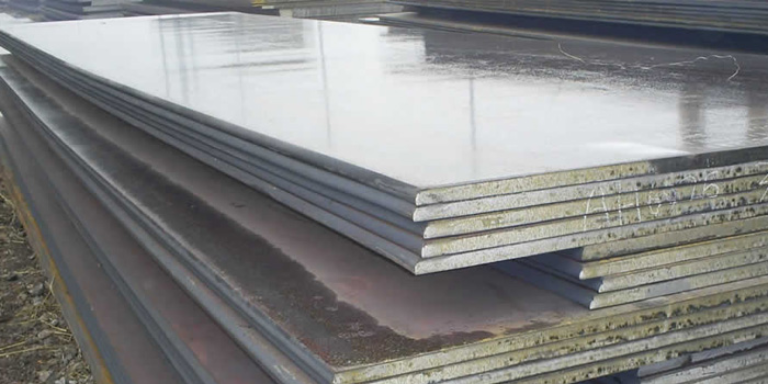
Alloy steel is basically regular carbon steel that has been mixed with other elements to make it better. Carbon steel is mostly just iron and carbon. Alloy steel also has other elements like chromium, nickel, manganese, vanadium, or molybdenum. These are added in specific amounts to change how the steel behaves. For example, chromium makes the steel harder and more resistant to rust, while nickel helps it stay tough in cold temperatures.
When you compare it to standard carbon steel, the differences are quite clear. Carbon steel is useful for general building, but it can be brittle or prone to rusting if the conditions are harsh. Alloy steel plates are designed to overcome these limits. They are processed to ensure the mechanical properties are consistent throughout the entire plate. This makes them much more dependable for high-stress environments where the material needs to perform well.
Key Requirements of Critical Infrastructure
EPC engineers have a specific list of needs when they design infrastructure like bridges, refineries, or power plants. The materials must meet several strict criteria:
- Load-bearing capacity: The material must hold heavy weight and high pressure without bending or breaking.
- Resistance to extreme environments: It must handle salty air, chemicals, and very high or very low temperatures.
- Longevity and low maintenance: The infrastructure should not need repairs and stay durable.
- Compliance with safety standards: Everything must follow international laws and safety codes to protect the public and the environment.
Why EPC Engineers Choose Alloy Steel Plates
There are several practical reasons why these plates are the preferred option for major projects.
- Superior Strength and Durability: Alloy steel plates are much stronger than regular steel. They can be pulled or stretched under heavy loads without breaking. They also stand up well to repeated stress over time. In engineering, fatigue is what happens when a material gets weaker over time because of repeated stress. Because alloy steel resists this, the structures built with it stay safe for a much longer period.
- Excellent Corrosion Resistance: Rust is a major problem for any metal structure, especially near the ocean or in chemical plants. By using alloys that has chromium or copper, these plates can prevent corrosion much better than basic steel. This is important because it means the metal doesn’t thin out or get weak over time. This leads to much less maintenance work and fewer checks over the years.
- High Temperature & Pressure Performance: Many critical projects, like power stations or refineries, involve heat and pressure that would warp or melt standard metals. Alloy steel is stable. It keeps its shape and its strength even when things get very hot. This stability is a main reason engineers use it for parts that are always in contact with steam or hot chemicals.
- Versatility Across Applications: These plates are not limited to just one type of job. Because you can change the alloy mix, you can get plates that are specifically “tuned” for different needs. Whether a project needs something that is easy to weld or something that is incredibly hard to scratch, there is usually an alloy grade that fits. This makes it a very flexible tool for an EPC engineer.
- Cost Efficiency Over Lifecycle: Alloy steel costs more than carbon steel when you first buy it. However, engineers look at the “lifecycle cost.” If you use poor quality steel that rusts or breaks in ten years, you have to pay for repairs and downtime. Because alloy steel lasts so much longer and needs less upkeep.
Common Applications in EPC Projects
You will find these plates used in several specific areas within the industrial sector:
- Pressure vessels: These are big tanks that hold liquids or gases at high pressure, and the metal must be strong enough not to burst.
- Pipelines: They carry oil, gas, or water over long distances, through soil that would normally make pipes rust quickly.
- Structural components: The main support beams in bridges or high-rise buildings that take the most weight.
- Power generation equipment: Parts for turbines, boilers, and cooling systems in power plants that deal with constant heat.
Standards and Certifications
In the world of EPC, you cannot just use any metal. Everything has to be certified. Standards like ASTM (American Society for Testing and Materials), ASME (American Society of Mechanical Engineers), and EN (European Standards) are used to make sure the steel is high quality. These codes tell the engineer exactly how much weight the plate can hold and how it will react to heat. Compliance is required because it ensures safety. Working with a reliable Alloy Steel Plates manufactur ensures that these certifications are provided and that the material will behave exactly as expected during construction and use.
Challenges and Considerations
It is not always simple to use alloy steel. The initial cost is definitely higher, which can be a hurdle for some budgets. Also, fabricating these plates is harder. You often need specialized welding techniques or heat treatments to make sure the metal doesn’t lose its properties during the building process. Choosing the right grade is also important. If an engineer picks a grade that is too hard, it might be difficult to work with, but if it is too soft, it might not handle the load. It requires careful planning.
Conclusion
EPC engineers use alloy steel plates because they are safer and last longer than other materials. They cost more at the start and are harder to work with, but they give clear long-term benefits. These plates handle heavy loads, resist rust, and perform well under high heat. In the end, using high-quality alloy steel is an investment in the longevity of the infrastructure. Choosing the right materials early in a project helps prevent costly problems later and keeps the structure safe and affordable for its entire life.